
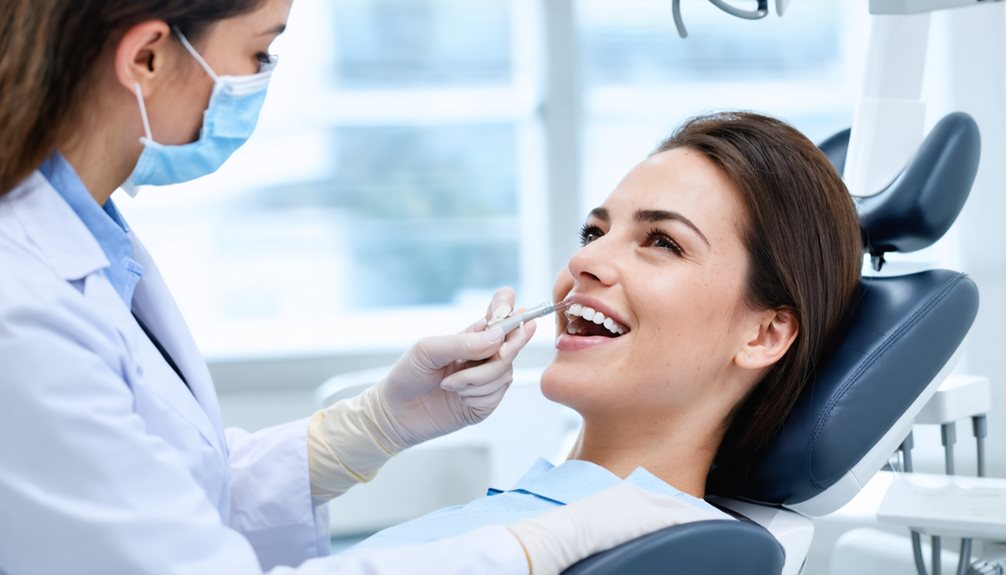
You might wonder why crown procedures no longer conjure images of discomfort. The secret lies in advanced anesthesia techniques that guarantee you feel at ease, combined with cutting-edge dental technology that enhances precision and minimizes pain. But there’s more to it than just tools and techniques; it’s also about expert practitioners who tailor their approach to your needs, making certain you stay comfortable throughout. So, how do these elements come together seamlessly to transform what once was a dreaded dental appointment into a pain-free experience? The answer might surprise you.
Advanced Anesthesia Techniques
In recent years, several advancements in anesthesia techniques have considerably improved the comfort and outcomes of dental crown procedures. As a patient seeking control over your dental experience, you’ll find that understanding these techniques is essential. Local anesthesia is foundational in this process, effectively numbing the specific area where the crown work occurs. This targeted approach minimizes discomfort and allows you to remain conscious, aware, and in control during the procedure.
Beyond local anesthesia, sedation options offer additional layers of comfort for those requiring more relaxation. Nitrous oxide, commonly known as laughing gas, provides mild sedation, helping you feel at ease without losing consciousness. For deeper sedation, oral medications can be administered, allowing you to stay awake but deeply relaxed. Intravenous (IV) sedation is another option, offering more profound sedation levels while maintaining your ability to respond to commands.
These advanced anesthesia techniques guarantee that your dental crown procedure is not only pain-free but also tailored to your comfort preferences. By understanding and discussing these options with your dentist, you maintain control over your dental care experience, making sure it aligns with your personal comfort threshold.
Modern Dental Technology
While advanced anesthesia techniques greatly improve comfort during dental crown procedures, modern dental technology plays a pivotal role in further elevating the patient experience. By incorporating digital impressions, the process becomes more accurate and efficient, eliminating the need for traditional messy impression materials. You’ll appreciate how digital impressions use an intraoral scanner to capture a precise 3D image of your teeth, guaranteeing a perfect fit for your dental crown. This technology not only reduces the time spent in the dental chair but also enhances the accuracy of the final product, giving you greater control over the outcome.
Moreover, laser technology considerably improves the crown procedure by offering minimally invasive solutions that reduce discomfort and promote faster healing. Lasers can be utilized for soft tissue management, creating a cleaner field for crown placement while minimizing bleeding and swelling. This technology allows for precise cutting and shaping of gums, enhancing the precision of the treatment. The use of laser technology in crown procedures also reduces the risk of infection and accelerates recovery, giving you confidence in a swift return to daily activities. Embracing these modern technologies guarantees a more controlled, efficient, and comfortable dental experience.
Expert Dental Practitioners
Your dental experience is greatly influenced by the expertise of the practitioners performing the crown procedure. Expert dental practitioners play an essential role in guaranteeing patient comfort throughout the process. Their proficiency in dental expertise is not just about technical skills but also involves understanding patient needs and concerns. When you choose a practitioner with extensive training and experience, you’re more likely to experience a smooth and pain-free procedure.
Dental expertise involves precise hand skills, a deep knowledge of dental anatomy, and an ability to use modern technology effectively. An expert practitioner will assess your specific situation and customize the approach to your crown procedure accordingly. This tailored approach minimizes discomfort and maximizes effectiveness. Furthermore, experienced dentists communicate clearly, explaining each step of the process to alleviate any anxiety you might have.
Patient comfort is further enhanced by a practitioner’s use of advanced techniques and materials. By selecting a dentist who prioritizes continuous education and stays updated with the latest advancements, you guarantee that you’re receiving the highest standard of care. Ultimately, your choice of a skilled and knowledgeable dental practitioner directly impacts the pain-free nature of your crown procedure, giving you control over your dental health experience.
Frequently Asked Questions
How Long Does a Typical Crown Procedure Take From Start to Finish?
A typical crown procedure takes about two hours, depending on crown types and procedure steps. You’ll start with tooth preparation, followed by impressions, and finish with crown placement. Temporary crowns might extend the timeline before final fitting.
What Is the Recovery Time After Getting a Dental Crown?
Recovery time after a dental crown typically involves a few days. You should focus on pain management strategies, allowing the healing process to proceed smoothly. Most discomfort subsides quickly, letting you regain full control over your oral health.
Are There Any Dietary Restrictions After Receiving a Crown?
After receiving a crown, you should avoid hard, sticky foods to guarantee proper crown care. Dietary tips include opting for softer foods initially and chewing on the opposite side. This helps maintain the crown’s integrity and longevity.
How Long Do Dental Crowns Typically Last Before Needing Replacement?
Dental crowns typically last 10-15 years. Crown longevity factors include oral hygiene practices and dietary habits. Crown material options like zirconia or porcelain affect durability. Maintain control by scheduling regular check-ups and addressing any issues promptly.
Is It Necessary to Have Follow-Up Appointments After a Crown Procedure?
Yes, follow-up appointments are essential for post-procedure care. They guarantee proper crown maintenance by checking fit, alignment, and bite. Regular visits help detect issues early, maintaining the crown’s longevity and guaranteeing your dental health stays ideal.

